
Designing for the Western Australian Climate
TrendsJuly 30, 2026
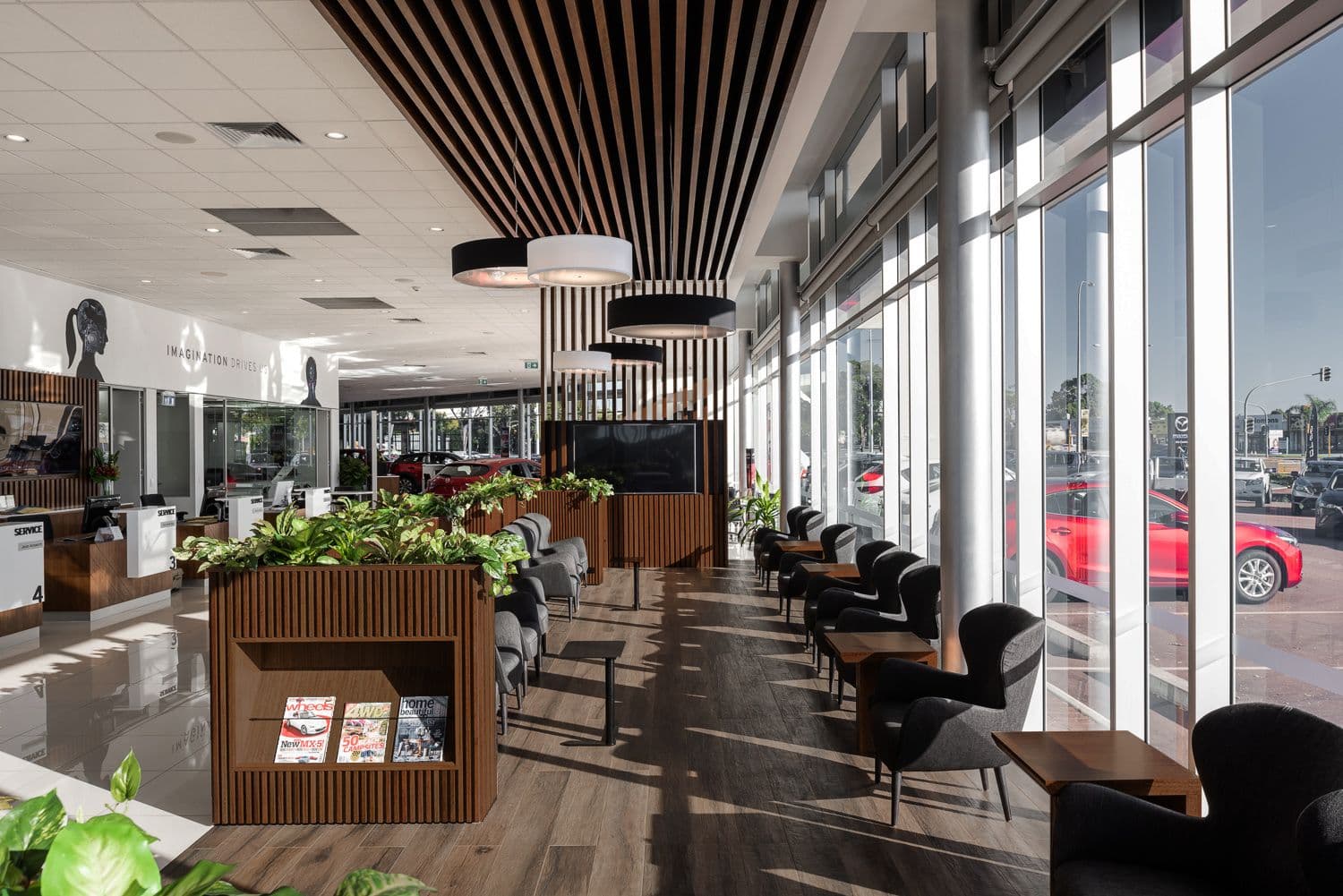
Sustainable Design Is Local
is often talked about as though it travels well, a set of principles you could apply just as easily in Hobart or Broome. In practice it is local. Every interior performs against the conditions it actually sits in, and Perth's are distinctive enough to be worth designing around.
We are in climate zone 5, classified warm temperate, which feels generous to anyone who has worked through a February here. What that means in practice is long dry summers, mild wet winters, a hard afternoon light from the west, and a sea breeze that turns up most days with something close to reliability. Designing well in Western Australia means designing for those conditions rather than for a national average.
What follows is not a discussion of building fabric. It is about the decisions that fall to an interior designer, which is to say the decisions made inside an envelope somebody else has already drawn.
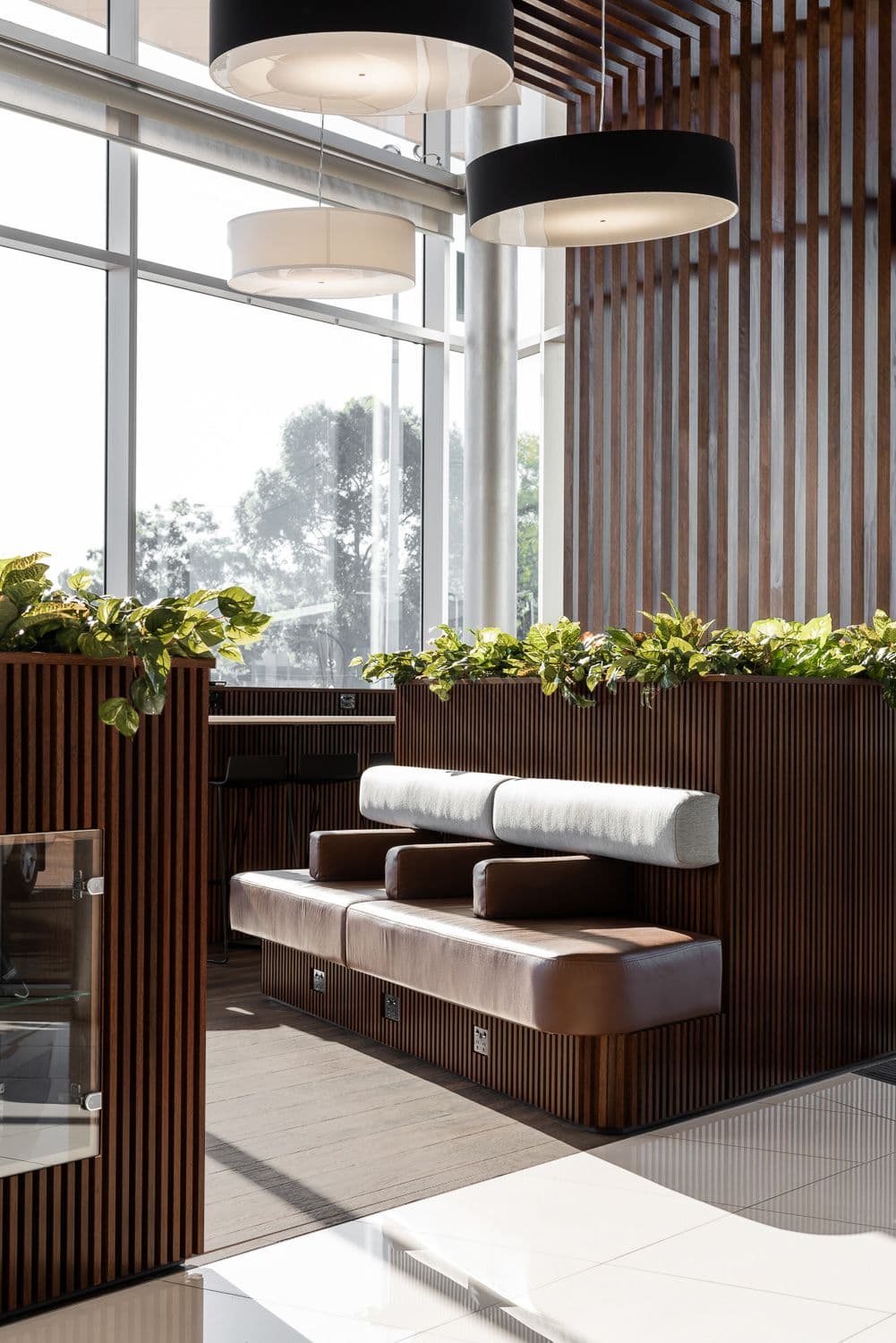
Passive Design Is Mostly a Planning Question
Passive design carries a technical reputation, though the idea underneath it is simple. Arrange a space so that it needs less from its systems.
In a new building that means orientation and form. In a fitout it means the plan, and the plan is ours. We decide where the workstations run, where the meeting rooms sit, which functions take the perimeter and which take the core. Those choices determine who spends their afternoon in the sun and who does not.
Placing enclosed rooms along a hot western wall does two useful things at once. It shields the open floor behind them, and it puts the least continuously occupied spaces where the heat arrives. A storeroom, a print area or a rarely booked meeting room absorbs a western afternoon far better than a row of desks. Nothing has been added to the building. The heat has simply been given somewhere sensible to land.
The same thinking applies at a smaller scale. Screens oriented so nobody faces a window directly. Breakout areas placed where the light is generous in the morning rather than punishing at four. A reception that feels bright without turning into a greenhouse in January. These are ordinary planning decisions, and they do more for comfort than almost anything specified later.
Light, Colour and Finish
Perth light is bright and high in contrast, and it treats finishes unkindly. Pale glossy surfaces that photograph beautifully in a southern city become sources of glare here. Matte and mid tone finishes hold the light more gracefully. Texture helps too, because a surface with some grain or relief scatters light rather than bouncing it back.
Colour behaves differently under this light as well. Cool greys can read as flat and slightly severe, while warmer neutrals, clay tones and natural timber settle into it. This is one of the quieter arguments for the palette we tend toward, and it is a practical one as much as an aesthetic one.
Materials That Suit the Heat
Heavier materials moderate temperature swings, which suits a climate where the difference between afternoon and evening can be considerable. Stone, concrete and solid timber all help a room hold steady.
Longevity matters just as much. Dry heat and strong light are hard on finishes, and a material that fades, cups or embrittles will be replaced long before the fitout has earned its keep. Choosing surfaces that age rather than deteriorate is the least visible form of and probably the most effective, because the greenest interior available to anyone is the one that does not need doing again.